 City of Racine
City of Racine
City of Racine
Each year across the United States, more than 3,500 infants die suddenly and unexpectedly, often without a clear cause. Many of these tragic deaths, which are often referred to as Sudden Infant Death Syndrome (SIDS), are linked to unsafe sleep environments such as placing babies to sleep on their stomachs, using soft bedding, or sharing a bed with adults. Locally, at least 10 infants in Racine have passed away from sleep-related causes since 2023.
Infant mortality (the death of an infant before the age of one year old) continues to be a public health crisis in the City of Racine as well as across Wisconsin and the rest of the United States. Far too many babies die before their first birthday due to unsafe sleep situations and other SIDS-causes. Creating a safe sleep space can significantly reduce the risk of sudden infant death.
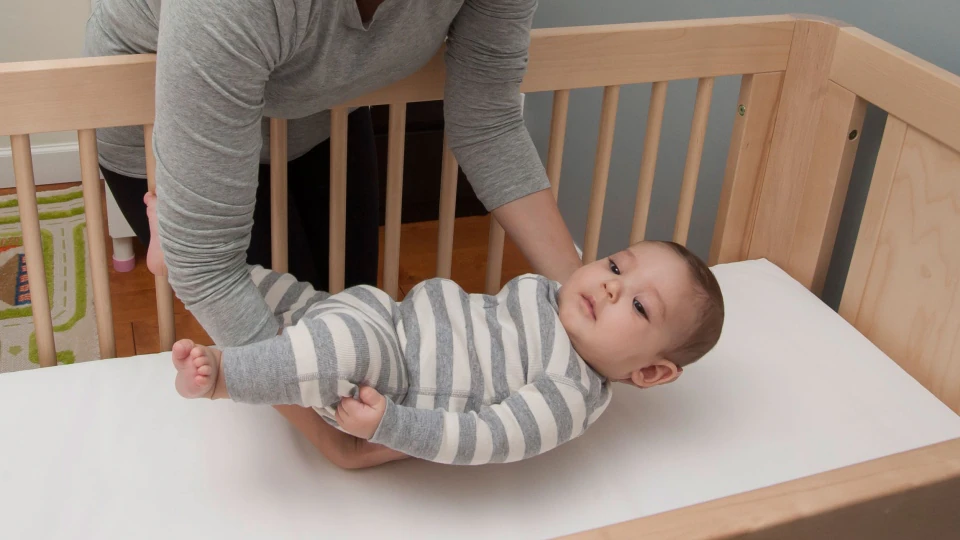
The City of Racine Public Health Department offers safe sleep education and resources to ensure infants in our community are safe and have the opportunity for long, healthy lives.
The Safe Sleep Program teaches parents and caregivers how to make sure infants are as safe as possible while sleeping. For eligible participants, the Program includes resources such as:
Education and support through the Safe Sleep Program are available to any parents or caregivers residing within Racine County, WI, who have or are caring for a child under one year of age.
To receive a low-cost portable crib through the Safe Sleep Program, participants must meet the following criteria:
The Safe Sleep Education Program is offered in two formats, in person and online, to ensure everyone who needs this information can access it in a format that works best for them.
In Person Safe Sleep Education
Call 262-636-9431 (select Option 1 for Community Health) to speak with a staff member about the Safe Sleep Program. Your information will be passed along to a Public Health Educator who will contact you to answer any questions and schedule a convenient time for your educational session.
Online Safe Sleep Education
To complete the training online, click the image or link below. To be eligible for a low-cost portable crib, you must call 262-636-9431 (select Option 1 for Community Health) to register for the program. You may complete the online learning portion prior to calling, but you must register before you can pick up the crib.
| Follow the ABCS of Safe Sleep every time your baby goes to sleep, both during naptime and at night. | 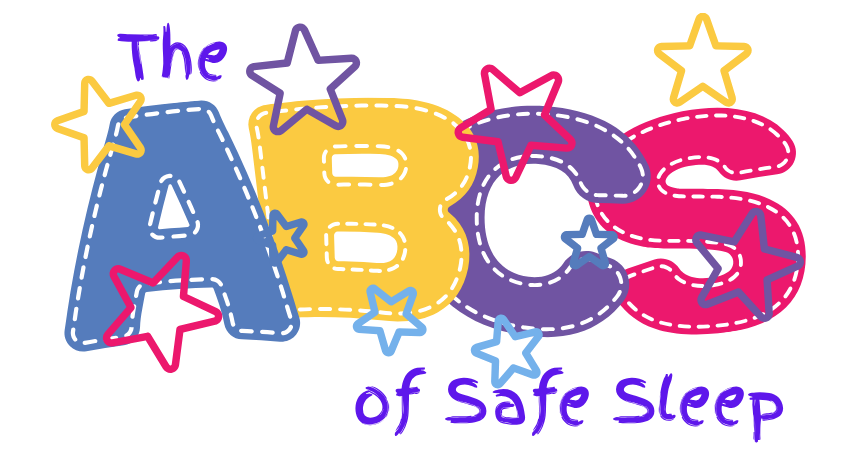 |
Babies should sleep alone in their sleep area. No blankets, bumpers, pillows, stuffed animals, caregivers, other children, or pets. Babies can sleep in the same room as a caregiver, just not with the caregiver.
Babies should sleep flat on their back. Do not use any items that put the baby at an incline or an angle.
Babies should sleep in an area designed for safe sleep (crib, bassinet, portable, crib, or baby box). Babies should not sleep on beds with parents, caregivers, or other loves ones, on couches, in recliners, in swings, or in car seats.
Babies should breathe smoke-free air at all times, including in the home and in the car.
Co-sleeping is when parents or caregivers share a sleep surface with a baby. While the American Academy of Pediatrics recommends that babies sleep alone in a crib while in the same room as parents or caregivers, we understand that you may choose to share a sleep surface with your baby. Here are some tips to keep your baby safer in whatever sleep situation you choose.
If you use an adult bed with your infant:
When not to co-sleep:
Infants in the above groups are more sensitive and potentially more fragile, meaning co-sleeping poses a greater risk of harm for your baby. In these cases, it is best to stick to the ABCS of safe sleep.
Use of substancesA kind of matter with a specific composition and properties such as in the above situations can impact the adults’ sense of awareness, so you might not notice if you roll onto your baby. SubstancesA kind of matter with a specific composition and properties can also cause deeper sleep, making it harder for you to wake up to a baby’s cry or other distress signals.
Never sleep on a couch or in a chair with your baby. This can increase the risk of SIDs by as much as 50 times.